

Anti-Social Jellyfish? Rethinking ‘Safety in Numbers’ in the Open Sea
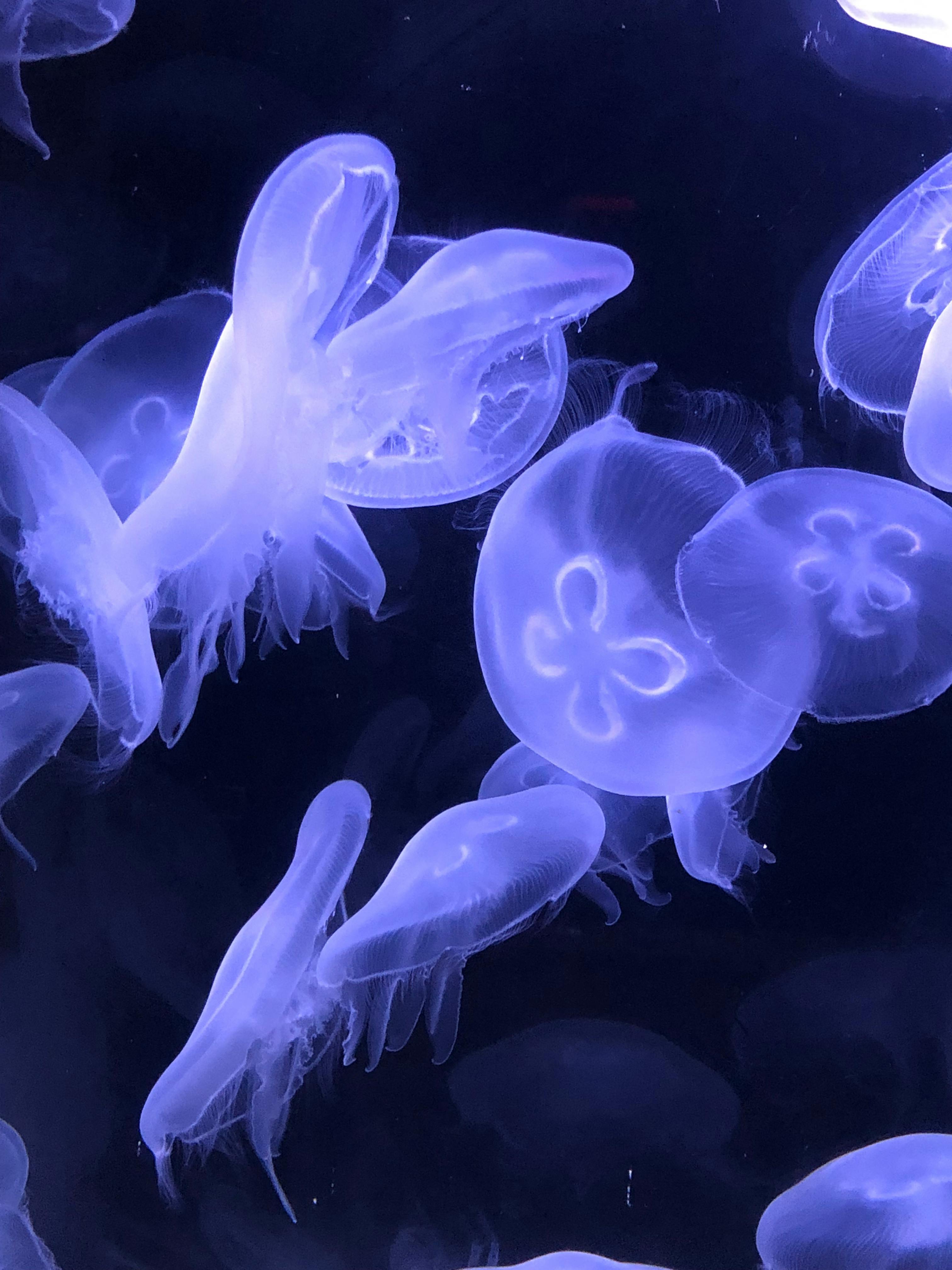
Many animals stick together when they enter new and unfamiliar places. Staying in groups—known as the “safety in numbers” effect—can help protect them from predators. Because jellyfish in the wild are often seen drifting in large clusters, prof. Christian Agrillo and dr. Alessandra Pecunioso wondered whether they, too, might actively seek out others of their kind when facing something new. To test this, researchers observed moon jellyfish (Aurelia species) placed in a new environment where they could choose to stay close to another jellyfish or move away. If jellyfish behaved like many other animals, they would be expected to huddle together. The results were surprising: instead of grouping up, the jellyfish consistently kept their distance from each other. This suggests that when jellyfish are placed in an unfamiliar environment, they do not behave socially in the way many other animals do. So why are jellyfish often seen in large swarms in the ocean? The study suggests that these clusters may not arise from social attraction, but rather from environmental forces already reported in the literature—like currents, water temperature, or food availability—that push or pull many individuals into the same area.